YouTube
Evidence-aware item checks
Secure the Border Items: Search Locations and Live Checks
The official game page confirms that players find illegal items while checking cars and can search trunks and engines, but it does not publish a complete item catalog, allowed-item list, spawn locations, visual identifiers, values, or consequences. This hub turns the confirmed search areas into a practical live log. Record exactly what the current interface calls an object and what feedback follows instead of importing names from another game or claiming the list is complete.
Search-area focusUse confirmed trunk, engine, and X-ray interactions
Live item logCopy the current client label exactly
No invented listUnknown names and penalties stay unresolved
Update checksDate results and repeat changed observations
Watch an inspection before building your item log
Use the archived gameplay to see the checkpoint context and decide which observations to record. Do not treat the video as a complete current catalog, spawn table, or penalty list.
How to build a useful item record
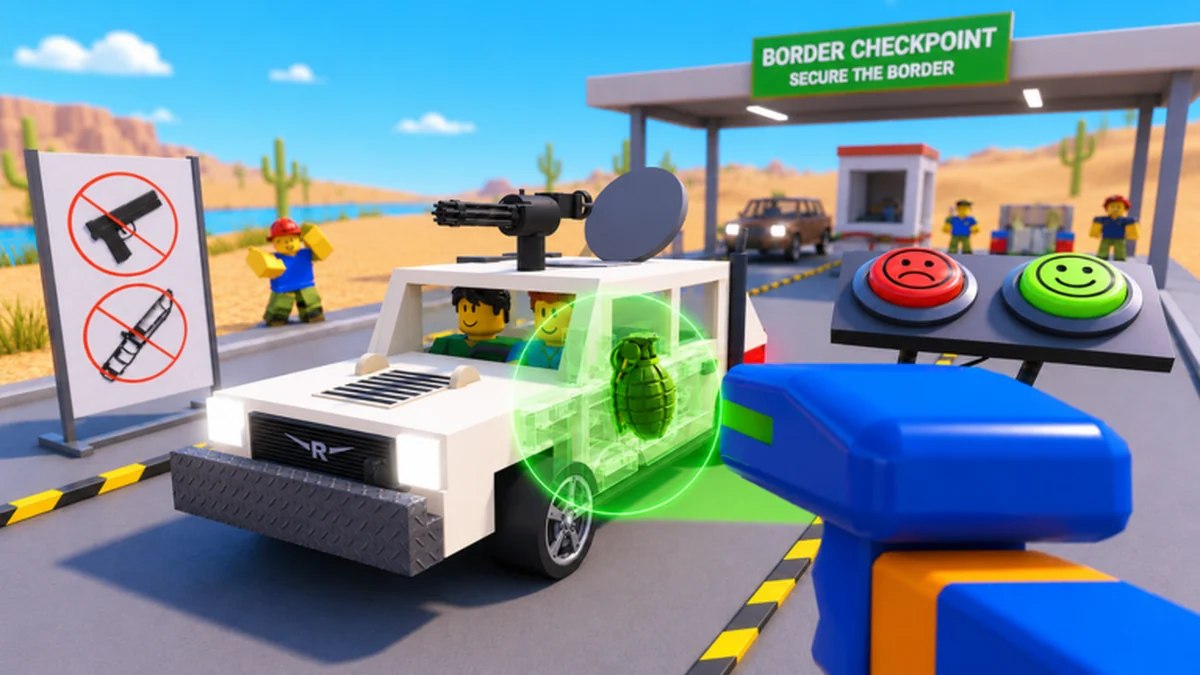
The item guide begins with what is actually verified: illegal-item searches are part of the checkpoint loop, and vehicles can be examined with X-rays plus trunk and engine searches. That is enough to design a coverage routine, but not enough to name every object or state that a particular location always contains one.
During a live inspection, record the object label exactly as the current interface presents it. Add the area where you observed it, the interaction used, the feedback displayed, and the date. If the client does not label the object clearly, describe the observation without upgrading it into an official name. A screenshot can help you compare later patches.
Keep allowed objects and illegal objects in separate evidence states. The official description confirms illegal items exist but provides no full legal list, values, rarity, spawn weights, or penalties. A clean log can say that an entry needs confirmation, while a fake complete table encourages confident mistakes and becomes difficult to repair after an update.
Connect the item log to document and vehicle evidence only after each observation is recorded independently. A suspicious document does not prove an item exists, and an X-ray shape does not establish an exact object name without current feedback. This separation helps when difficulty increases or the Alpha client changes one inspection system.
Choose the next item-checking task
Start from a confirmed search interaction, record the current result, and expand the log only when the live client supplies new evidence.
I need the current item-list method
Build a live table without pretending unknown entries are verified.
Open the item listI saw something on the X-ray
Separate the scan observation from a final item identification.
Review X-ray checksI need to search the vehicle
Cover engine and trunk areas with a repeatable sequence.
Use the engine guideThe documents look suspicious
Record document evidence separately before combining results.
Check documentsFeatured reviewed resources
Cards in this section come from published article metadata. Each destination has a review date, an evidence boundary, and a route that exists in this site build.
All published item resources
The current library contains one evidence-aware item-list guide. It explains confirmed inspection areas, a live recording format, decision boundaries, and the missing fields that prevent this site from calling any current list complete.
Continue into the supporting inspection systems
Secure the Border item questions
Is there a complete Secure the Border items list?
No reliable complete catalog was available. The guide records confirmed search systems and shows how to build a dated live list from the current client.
Where can items be searched?
The official description explicitly confirms vehicle X-rays and searches of trunks and engines. It does not publish item-by-location spawn rules.
Does every X-ray shape identify a specific illegal item?
The available evidence does not define all scan indicators or their meanings. Use current game feedback and a physical follow-up when available.
Are values, rarity, and penalties included?
No verified complete values, rarity rules, spawn weights, or consequence table were available, so the site does not invent them.
How should I report a missing item?
Provide the exact live label, search area, interface feedback, date, and an auditable screenshot or creator-owned source without sharing account secrets.
Turn each live discovery into a reliable item record
Search the confirmed vehicle areas, preserve the exact client wording, and keep unknown identities or consequences clearly unresolved.